Authorized Nexx Dealer
Free Shipping
Rider Owned
Easy Returns
Helmet Sizing Help
Explore the Adventure Hub

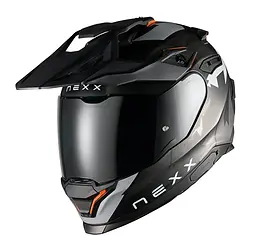


Adventure Helmet Buyer's Guide: How to Choose the Right Adventure or Dual Sport Helmet
Buying a new motorcycle helmet can quickly become overwhelming. Between shell materials, safety certifications, ventilation systems, visor designs, weight, and dozens of competing brands, it's easy to lose sight of what actually matters.
If you're shopping for an adventure helmet or dual sport helmet, the first thing to understand is that the two terms are essentially describing the same type of motorcycle helmet. Both are designed for riders who divide their time between pavement and dirt, blending the comfort of a street helmet with the versatility of an off-road helmet.
While some riders use the term dual sport helmet to imply a stronger emphasis on trail riding and adventure helmet to describe long-distance touring with occasional off-road exploration, the helmets themselves share the same design philosophy. Manufacturers often use the terms interchangeably, and many helmets are marketed as both.
So rather than worrying about which name is printed on the box, focus on choosing a helmet that matches how you actually ride.
This buyer's guide will walk you through everything you should consider before purchasing an adventure or dual sport helmet, from safety certifications and shell materials to ventilation, weight, fit, and comfort.
What Is an Adventure or Dual Sport Helmet?
Adventure helmets occupy the middle ground between traditional full-face street helmets and motocross helmets.
A street helmet is optimized for pavement. It's usually quieter, more aerodynamic, and designed for extended highway riding.
A motocross helmet is purpose-built for aggressive off-road riding. It features maximum ventilation, a large peak visor, and is designed to be worn with goggles instead of a face shield.
An adventure motorcycle helmet or dual sport helmet combines the strengths of both.
Most include:
-
A peak visor
-
A full face shield
-
A large eye port
-
Excellent ventilation
-
Goggle compatibility
-
Comfortable highway ergonomics
This combination makes adventure helmets one of the most versatile helmet styles available.
Start With Your Riding Style
Before comparing brands or prices, honestly evaluate where your motorcycle spends most of its time.
The "best" adventure or dual sport helmet isn't universal—it depends entirely on how you ride.
Highway Touring (80% Pavement / 20% Dirt)
Many adventure riders spend entire days covering hundreds of highway miles before reaching gravel roads or scenic backcountry routes.
If this describes you, prioritize:
-
Low wind noise
-
Excellent aerodynamics
-
Comfortable interior liner
-
Effective weather sealing
-
Internal sun visor
-
Stable peak visor
Touring-oriented helmets often place greater emphasis on comfort than outright off-road performance. The Nexx X.LIFECOUNTRY is a great example. Its modular design, premium carbon construction, and touring-focused features make it an excellent choice for riders who regularly spend long days on pavement before venturing onto gravel roads or remote destinations.
The Nexx Y.TRAVL is another excellent option for riders who want highway comfort without sacrificing the ability to confidently explore forest service roads and light off-road terrain.
Comfort over an eight-hour ride is worth far more than saving a few ounces of weight.
Balanced Adventure Riding (50% Pavement / 50% Dirt)
Many riders divide their time fairly evenly between pavement and dirt. This is where most premium adventure helmets excel.
Look for:
-
Moderate weight
-
Excellent ventilation
-
Stable peak visor
-
Wide field of vision
-
Comfortable padding
-
Easy shield operation
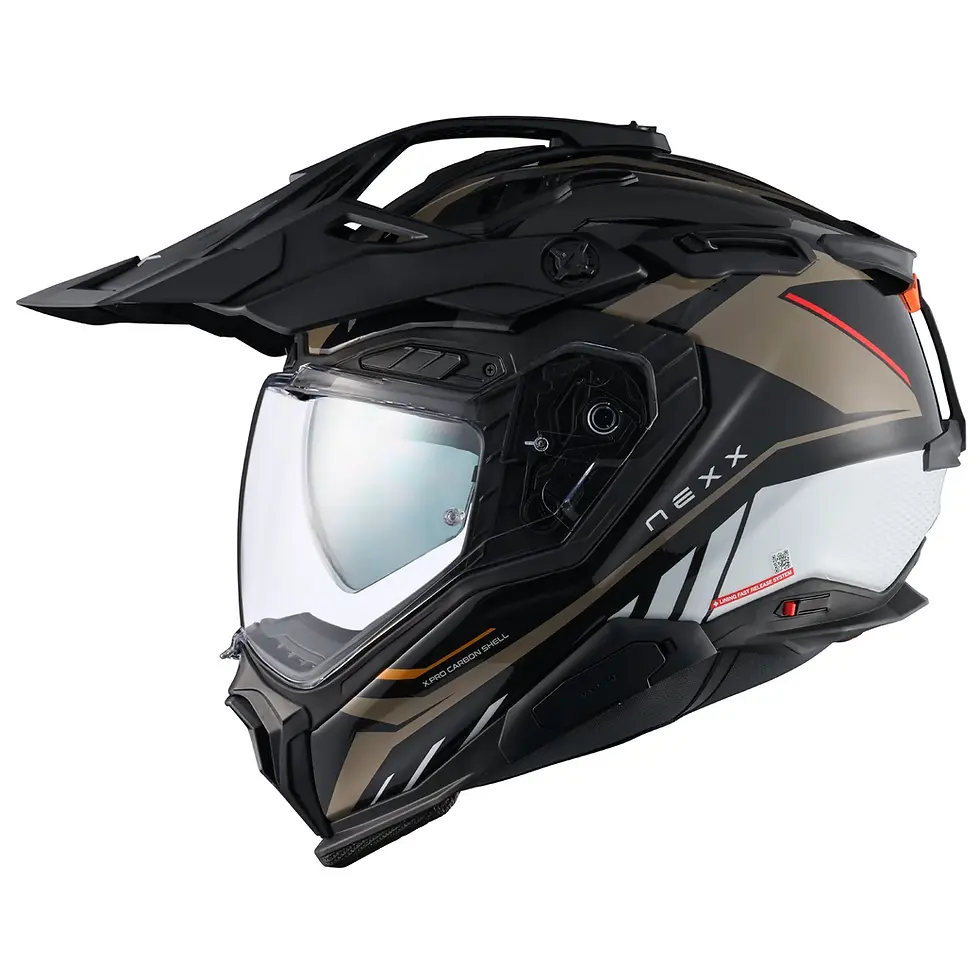
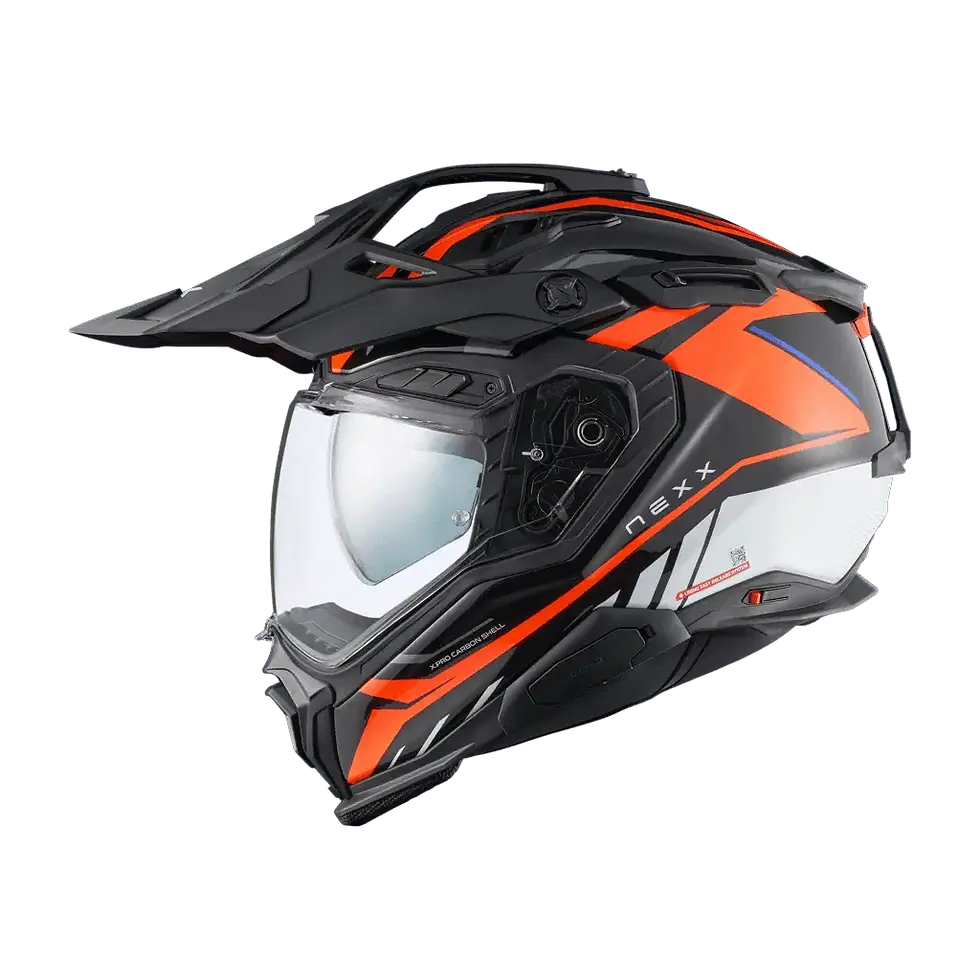
The Nexx X.WED3 perfectly represents this category. It offers an outstanding balance between highway comfort and off-road capability, making it one of the most versatile adventure helmets available. Riders who regularly transition between mountain highways, gravel roads, BDR routes, and scenic backcountry travel often appreciate this balanced approach because it performs well almost everywhere.
Mostly Dirt (30% Pavement / 70% Dirt)
If your weekends revolve around jeep roads, rocky climbs, deep gravel, sand washes, or technical trails, your priorities change.
A more dirt-focused dual sport helmet should emphasize:
-
Lightweight shell construction
-
Maximum airflow
-
Excellent goggle compatibility
-
Large eye port
-
Efficient ventilation
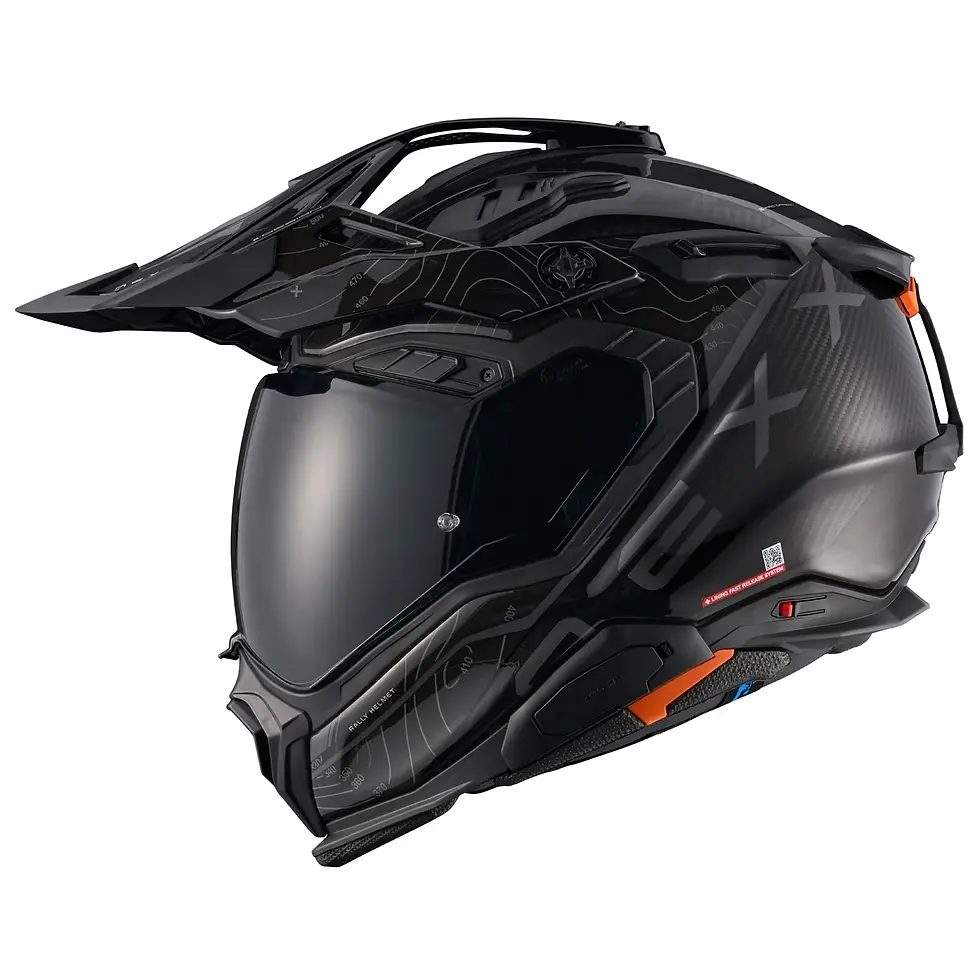
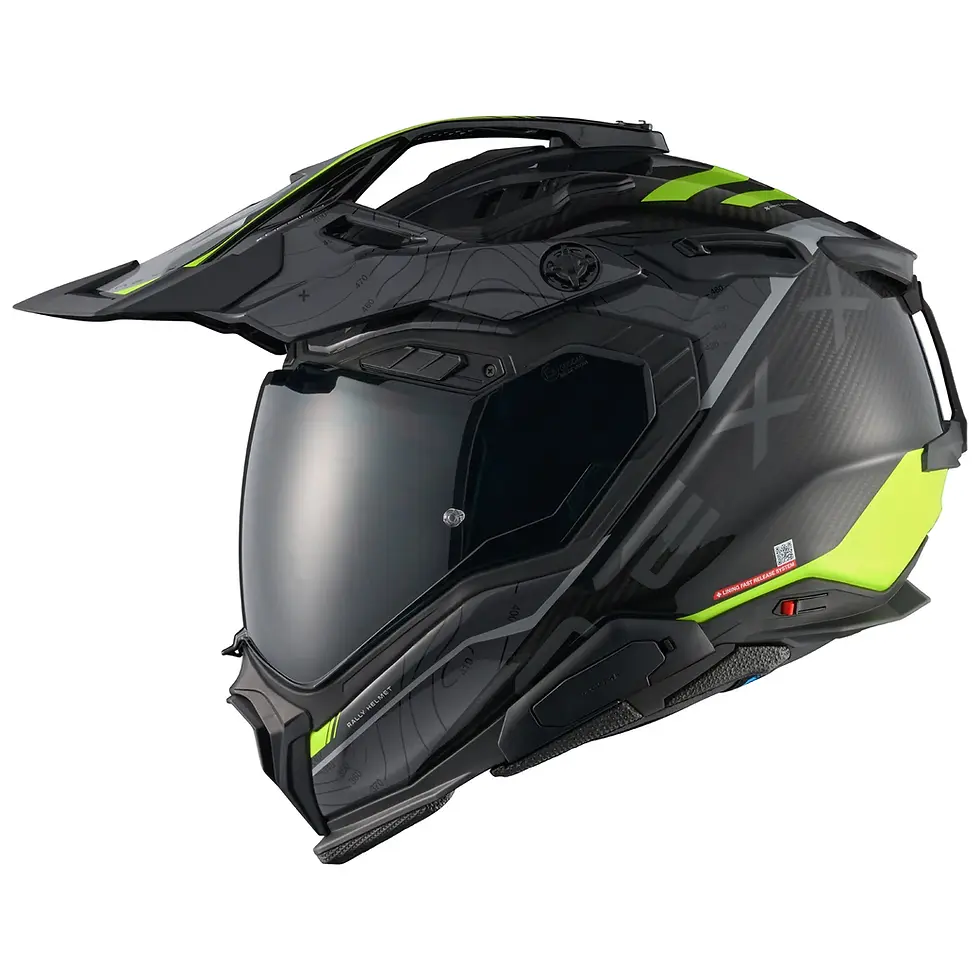
The Nexx X.RALLY is an excellent example of a helmet designed with aggressive off-road riding in mind. Its lightweight construction, exceptional ventilation, and generous eye port make it especially appealing to riders who spend far more time standing on the pegs than cruising interstate highways.
Helmet Fit Matters More Than Brand
The single most important factor in motorcycle helmet safety isn't the logo on the front.
It's fit.
Even the most expensive carbon fiber helmet cannot properly protect you if it doesn't fit correctly.
A properly fitted adventure or dual sport helmet should:
-
Feel snug around your entire head.
-
Apply even pressure without painful hot spots.
-
Stay secure when you shake your head.
-
Not rotate significantly with the chin strap fastened.
Remember that cheek pads naturally compress during break-in, so a new helmet should feel tighter than one you've worn for several months.
Never buy a helmet simply because another rider says it's comfortable. Head shapes vary dramatically between manufacturers, so always try to determine which shell shape best matches your head.
Understand Modern Safety Certifications
Regardless of brand or price, every adventure helmet should meet recognized motorcycle safety standards.
ECE 22.06
ECE 22.06 is considered one of the most comprehensive helmet standards currently available.
Testing includes:
-
Multiple impact speeds
-
Rotational impacts
-
Various impact locations
-
Accessory testing
Many riders specifically seek out ECE-certified helmets because of its rigorous testing procedures.
DOT FMVSS 218
DOT certification is required for legal street use in the United States.
Many premium adventure helmets—including the Nexx X.WED3, X.RALLY, Y.TRAVL, and X.LIFECOUNTRY—carry both DOT and ECE certifications, giving riders confidence whether they're commuting, touring, or exploring remote backcountry routes.
Shell Materials
The shell material affects weight, comfort, and price more than outright safety.
Carbon Fiber
Carbon fiber helmets reduce rider fatigue by minimizing weight without sacrificing strength.
For example, the Nexx X.RALLY Gravix utilizes a premium carbon shell to keep weight exceptionally low during aggressive off-road riding, while the X.LIFECOUNTRY uses Nexx's X-PRO Carbon construction to combine lightweight performance with premium touring comfort.
The primary disadvantage is price, as carbon remains one of the most expensive shell materials.
Composite Construction
Composite shells blend fiberglass and specialty fibers to balance durability, weight, and affordability.
The Nexx X.WED3 demonstrates why composite construction remains one of the most popular choices for adventure riders. It delivers an excellent combination of comfort, strength, and reasonable weight while remaining more affordable than many carbon helmets.
Polycarbonate
Polycarbonate helmets remain popular because they provide outstanding value.
Advantages include:
-
Lower purchase price
-
Excellent durability
-
Modern safety certifications
The tradeoff is usually additional weight.
Weight Matters More Than Most Riders Expect
Helmet weight may not seem important during a five-minute fitting session inside a dealership.
Ride for eight hours, however, and every gram becomes noticeable.
Lighter helmets reduce neck fatigue, especially during long adventure rides or technical off-road sections where you're frequently standing on the pegs.
That doesn't mean you should automatically buy the lightest helmet available.
A slightly heavier helmet that fits perfectly will almost always outperform a lighter helmet with poor fit.
Ventilation
Adventure and dual sport riding often involves slower speeds than highway touring.
Less airflow means your helmet must work harder to keep you cool.
Look for:
-
Large chin vents
-
Adjustable forehead vents
-
Efficient exhaust ports
-
Internal airflow channels
More vents don't automatically mean better cooling. Efficient airflow matters far more than simply adding additional openings.
Helmets like the Nexx X.RALLY and X.WED3 are known for excellent ventilation while still maintaining good highway comfort.
Why Adventure Helmets Have Peak Visors
The peak visor is one of the defining characteristics of an adventure or dual sport helmet.
It helps:
-
Reduce low-angle sun glare.
-
Deflect mud and small debris.
-
Improve visibility while riding off-road.
-
Offer protection from branches on narrow trails.
Modern helmets such as the Nexx X.WED3 and X.RALLY feature carefully engineered peak visors designed to remain stable at highway speeds while still providing meaningful benefits once the pavement ends.
Face Shield or Goggles?
One reason adventure helmets have become so popular is their versatility.
During highway travel, riders can lower the face shield for protection against weather, insects, and wind.
When conditions become dusty or technical, many riders simply switch to motocross goggles.
Models like the Nexx X.RALLY and X.WED3 feature generous eye ports that make transitioning to goggles quick and easy, making them excellent choices for riders who frequently alternate between pavement and technical terrain.
Internal Sun Visors
Many modern adventure and dual sport helmets include an integrated drop-down sun visor, allowing riders to instantly adapt to changing light conditions without stopping to swap face shields or put on sunglasses.
Whether you're riding into a bright sunrise, passing through tunnels, or transitioning between open highways and shaded forest roads, an internal sun visor provides added convenience while helping reduce eye fatigue throughout the day.
The Nexx X.WED3, X.LIFECOUNTRY, Y.TRAVL, and X.RALLY all feature an ultra-wide 80% tint drop-down sun visor, giving riders excellent coverage while maintaining a wide field of view.
Benefits include:
-
Instant sun protection.
-
Seamless transitions between bright sunlight and shade.
-
No need to carry multiple face shields.
-
Reduced reliance on sunglasses during changing riding conditions.
Wind Noise
Adventure helmets naturally create slightly more wind noise than dedicated street helmets because of their peak visor and increased ventilation.
However, wind noise depends on far more than the helmet itself.
Factors include:
-
Windscreen height
-
Rider position
-
Motorcycle type
-
Helmet aerodynamics
-
Peak visor design
Well-designed helmets like the Nexx X.WED3 and X.LIFECOUNTRY prioritize highway stability while still maintaining the versatility expected from an adventure helmet.
Pinlock Inserts
If you ride during cold mornings, rainstorms, or changing elevations, a Pinlock-compatible visor is one of the most valuable features available.
Helmets like the X.WED3, X.RALLY, Y.TRAVL, and X.LIFECOUNTRY include Pinlock-ready shield systems that dramatically reduce visor fogging while maintaining excellent visibility.
Modular or Traditional Full-Face?
Some adventure riders prefer modular helmets.
Advantages include:
-
Easier conversations
-
Convenient fuel stops
-
Simpler hydration
-
Better accessibility during long-distance travel
The Nexx X.LIFECOUNTRY is an excellent modular adventure helmet for riders who prioritize touring comfort.
Traditional full-face helmets such as the X.WED3 and X.RALLY generally offer lower weight and greater off-road performance, making them excellent choices for riders who frequently leave the pavement behind.
Which Nexx Helmet Matches Your Riding?
Choosing the right helmet often comes down to where you ride most.
-
Choose the Nexx X.LIFECOUNTRY if your adventures focus on long-distance touring, changing weather, and maximum convenience with a modular design.
-
Choose the Nexx Y.TRAVL if you're looking for a comfortable, well-rounded adventure helmet that performs confidently on pavement while remaining capable on gravel roads and light off-road routes.
-
Choose the Nexx X.WED3 if you want one of the most balanced adventure helmets available, offering an excellent blend of highway comfort, ventilation, and off-road capability.
-
Choose the Nexx X.RALLY if lightweight performance, aggressive ventilation, and technical off-road riding are your highest priorities.
Final Thoughts
Whether you call it an adventure helmet, ADV helmet, or dual sport helmet, you're shopping for one of the most versatile motorcycle helmets available.
The names may differ, but the goal remains the same: provide riders with a helmet capable of handling everything from interstate highways and mountain passes to gravel roads, BDR routes, and remote backcountry adventures.
Instead of focusing on marketing terminology, choose a helmet that fits properly, meets modern safety standards, matches your riding style, and remains comfortable after an entire day in the saddle.
If you're ready to compare today's top models, continue to our Best Adventure Helmets of 2026 guide, where we compare the strengths, weaknesses, and ideal rider for each helmet to help you find the perfect adventure or dual sport helmet for your next ride.