Authorized Nexx Dealer
Free Shipping
Rider Owned
Easy Returns
Helmet Sizing Help
Explore the Adventure Hub

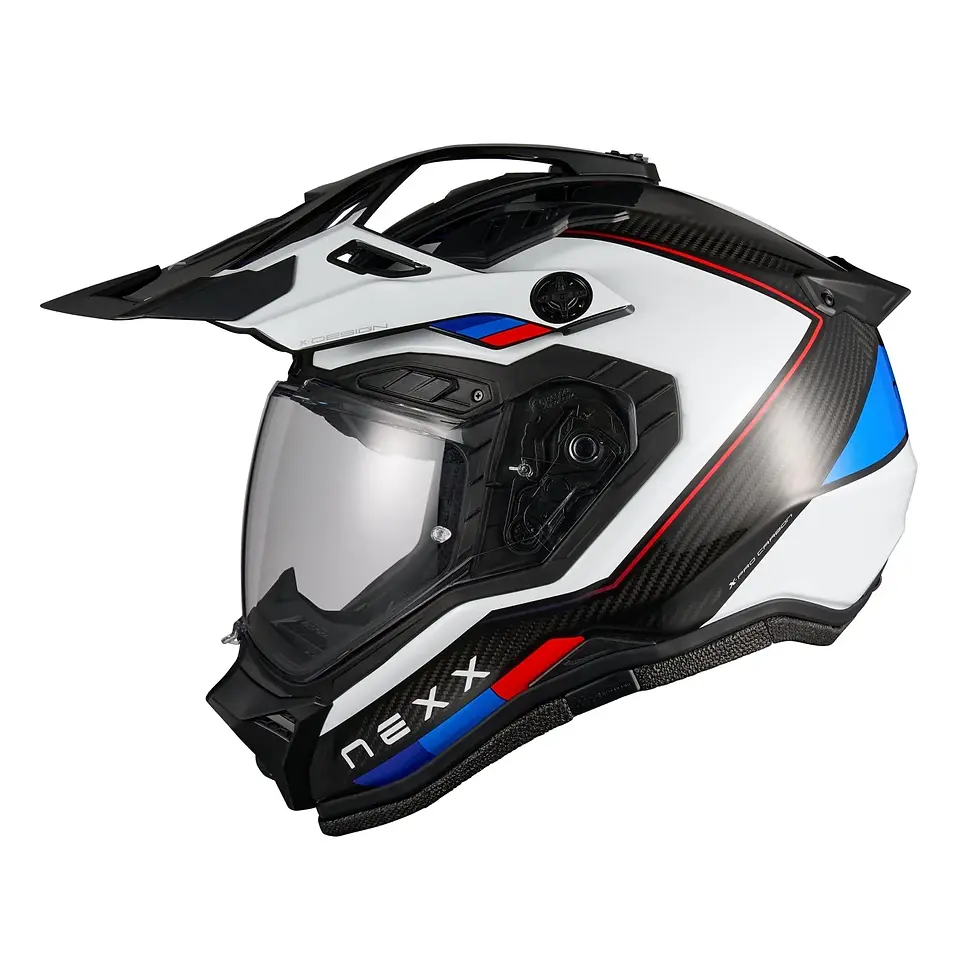
The flagship adventure helmet built for riders who split their time between pavement, dirt, and everything in between.

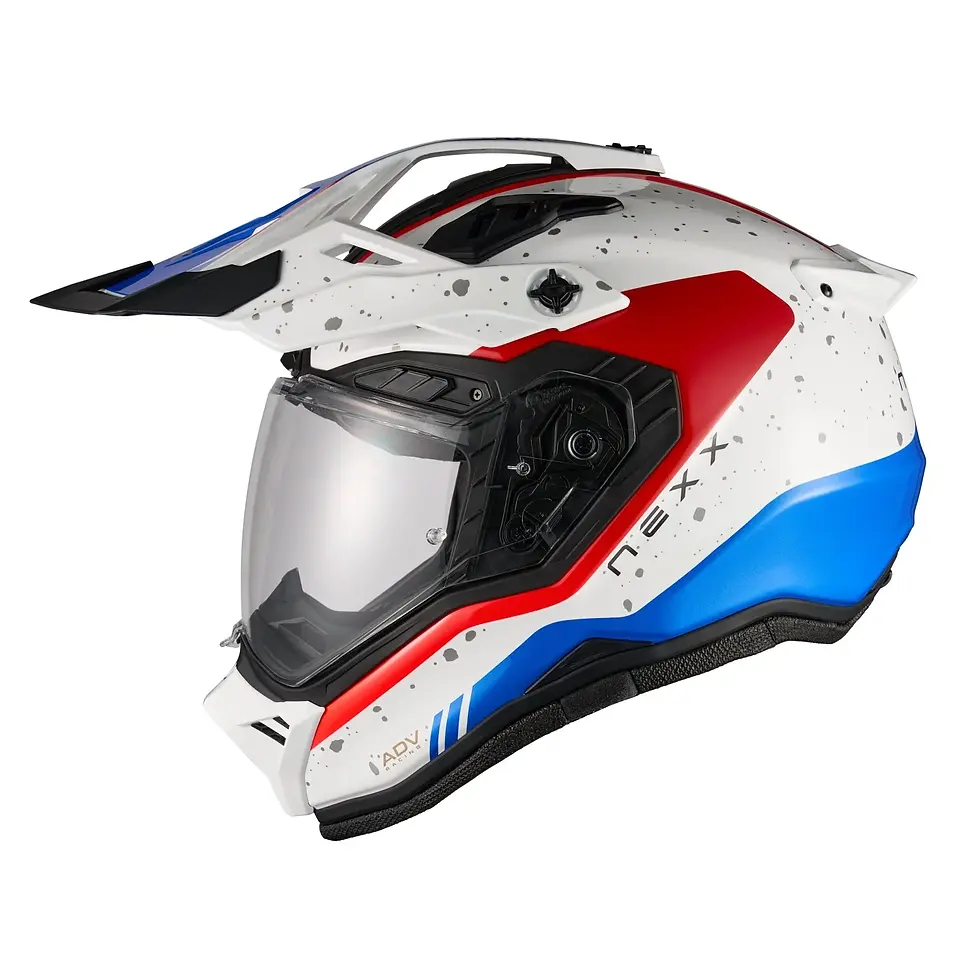
Lightweight, affordable, and ready for riders taking their first steps into adventure riding.

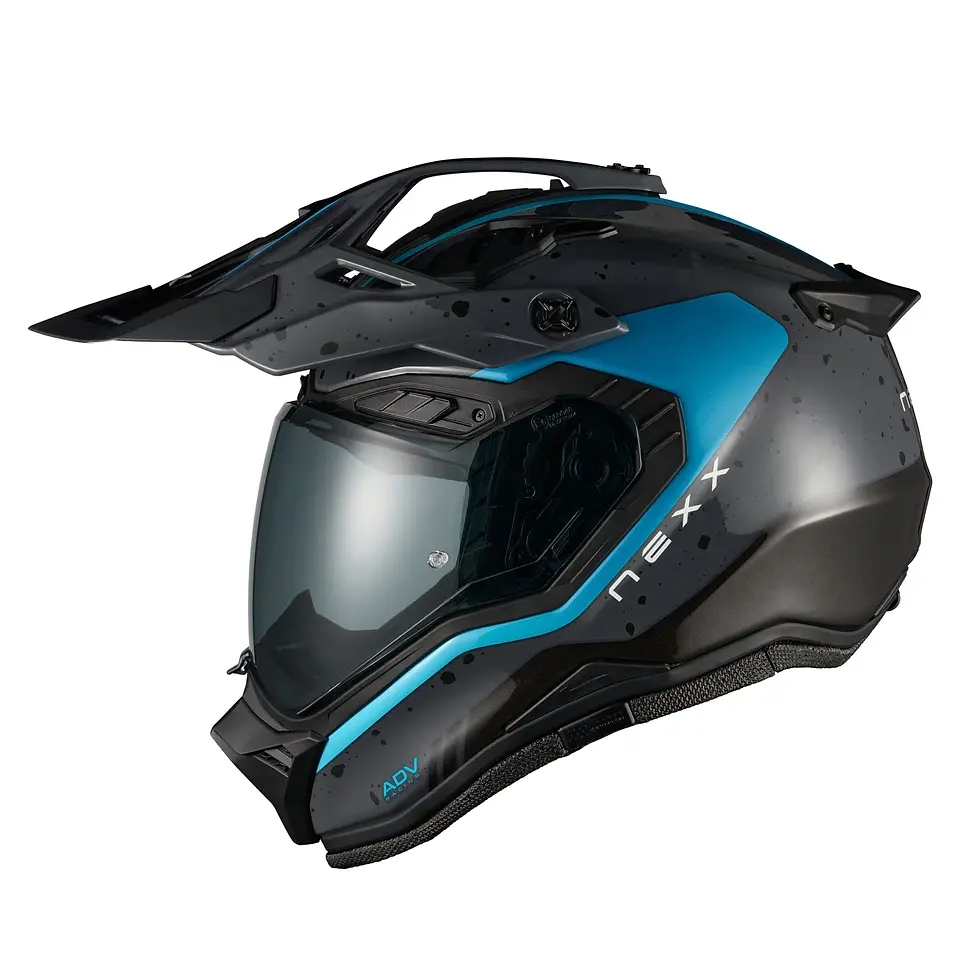
Designed for long days in the saddle, combining touring comfort with adventure capability.
The History of the BMW GS
For more than four decades, the BMW GS has been one of the most recognizable names in adventure motorcycling. Throughout its history, BMW Motorrad has continued developing the GS by introducing new technology, increasing performance, and improving rider comfort while maintaining the motorcycle's original purpose of handling both paved roads and off-road terrain.
From the original R80 G/S to today's R1300 GS, each generation has introduced new engineering solutions that have helped shape the evolution of BMW's adventure motorcycle lineup.
1980: The Beginning of the GS
The history of the BMW GS began in 1980 with the introduction of the BMW R80 G/S. The name G/S comes from the German words Gelände (off-road) and Straße (road), reflecting the motorcycle's intended ability to perform in both environments.
The R80 G/S featured a 797.5 cc air-cooled boxer engine, produced 50 horsepower and 56 Nm of torque, and used a shaft drive instead of a chain. BMW also introduced the Monolever rear suspension, combining a single shock absorber with a single-sided swingarm that integrated the driveshaft. According to BMW, this design improved both handling and reliability.
1981: Success at the Paris-Dakar Rally
Only one year after the R80 G/S was introduced, it achieved one of its earliest milestones in competition.
French rider Hubert Auriol won the 1981 Paris-Dakar Rally aboard a BMW R80 G/S. BMW credits this victory with demonstrating the motorcycle's reliability and capability across demanding terrain that included both paved roads and desert tracks. The combination of the boxer engine, Monolever suspension, and rider endurance helped establish the GS as a serious off-road motorcycle.
1987: The BMW R100 GS
BMW expanded the GS lineup in 1987 with the arrival of the R100 GS.
Engine displacement increased to 980 cc, providing additional power and torque while improving performance both on the road and off-road. Rider comfort was also improved through updated ergonomics and suspension.
One of the most significant technical developments was the introduction of BMW's Paralever rear suspension. According to BMW, this system reduced the torque effects produced by the driveshaft during acceleration, improving stability and overall handling.
1994: The R1100 GS
The release of the BMW R1100 GS marked another major step in the evolution of the GS.
BMW introduced a modernized boxer engine featuring four valves per cylinder, increasing both performance and efficiency. The motorcycle also adopted the Telelever front suspension, which separates steering and suspension functions to improve road holding and rider comfort.
For the first time, ABS braking became available as an option on the GS, providing an additional safety feature for riders.
1999: The BMW R1150 GS
BMW introduced the R1150 GS in 1999.
The motorcycle received a 1,130 cc boxer engine with increased torque and a new six-speed transmission, improving both performance and long-distance riding comfort. Updated ergonomics and suspension also contributed to greater stability and improved ride quality.
These changes helped broaden the appeal of the GS, attracting both long-distance adventure riders and those looking for a versatile motorcycle for everyday riding.
2004: The R1200 GS
The launch of the BMW R1200 GS represented another significant evolution for the GS platform.
BMW reduced the motorcycle's weight compared to previous models while increasing engine output beyond 100 horsepower. The lighter chassis improved handling and agility, while the additional power enhanced performance on both paved roads and rough terrain.
According to BMW, the R1200 GS became a global commercial success and established itself as a leading model in the adventure motorcycle segment.
2010: The GS Adventure
BMW expanded the lineup with the R1200 GS Adventure, a version developed specifically for long-distance travel.
The GS Adventure featured a larger fuel tank, reinforced protection, including engine guards and crash bars, and long-travel suspension designed to improve comfort and capability on rough terrain. BMW describes the motorcycle as being designed for both paved roads and challenging off-road routes.
2013: Liquid Cooling
In 2013, BMW introduced liquid cooling to the boxer engine.
According to BMW, liquid cooling improved thermal management, increased performance, enhanced reliability, and helped meet increasingly strict environmental regulations while maintaining the character of the GS platform.
2019: BMW ShiftCam Technology
BMW continued refining the boxer engine in 2019 with the introduction of ShiftCam technology.
This variable valve timing system adjusts intake valve operation according to engine demand. BMW states that ShiftCam increases low-speed torque, improves responsiveness, reduces fuel consumption, and helps meet modern emissions standards.
2023: The BMW R1300 GS
The next major milestone came with the release of the BMW R1300 GS.
BMW redesigned the motorcycle with a lighter and more compact chassis, reducing the unladen weight to 237 kilograms. The new generation also introduced updated electronic rider assistance systems intended to improve safety, rider confidence, and overall comfort in both on-road and off-road riding.
More Than Four Decades of Development
Since the introduction of the R80 G/S in 1980, the BMW GS has continued to evolve through new engine technology, suspension systems, rider assistance features, and chassis improvements. Throughout each generation, BMW has maintained the original concept of creating a motorcycle capable of handling both paved roads and off-road terrain.
Today, the GS remains one of BMW Motorrad's most recognizable motorcycle families, and its development continues with each new generation. As BMW itself notes, the history of the GS has now spanned more than 45 years, and future generations will continue adding new chapters to that story.