


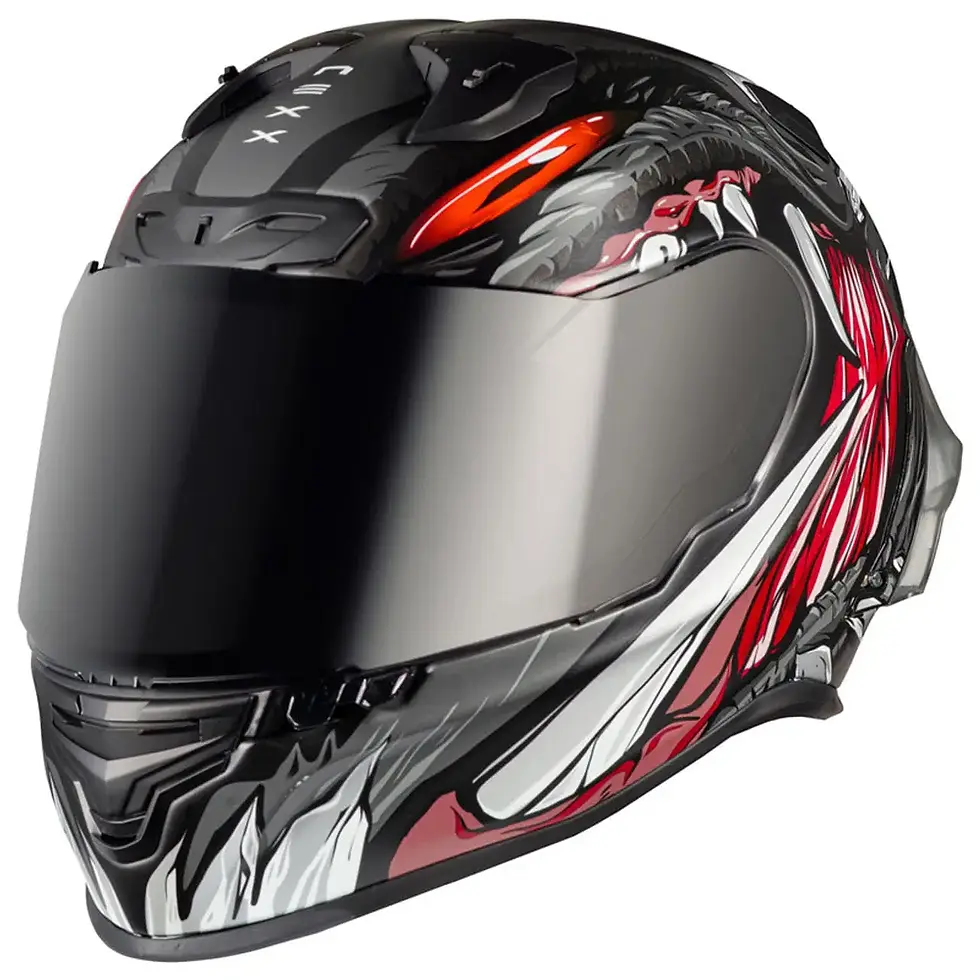




Best Adventure Helmets of 2026: What Actually Matters for ADV Riders

Adventure riding is unlike any other form of motorcycling. One weekend you might be carving through mountain twisties, and the next you're standing on the pegs crossing rocky trails hundreds of miles from the nearest town. Your helmet has to perform everywhere—not just on the highway or in the dirt.
The best adventure helmets combine the comfort of a touring helmet with the versatility of an off-road lid. They need excellent ventilation, stable aerodynamics, reliable protection, communication compatibility, and enough comfort to wear for ten-hour riding days.
Whether you're riding a BMW GS, KTM Adventure, Honda Africa Twin, Yamaha Ténéré 700, or Suzuki V-Strom, choosing the right helmet can dramatically improve every mile of your journey.
What Makes a Great Adventure Helmet?
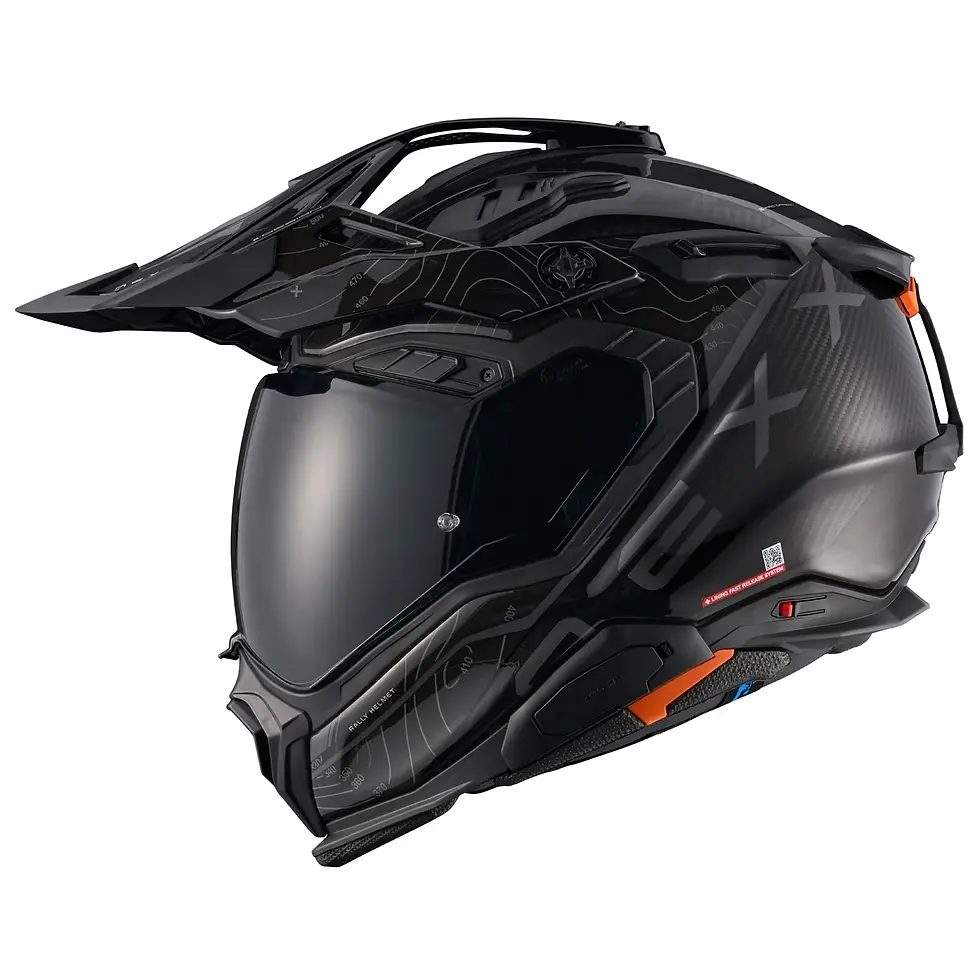
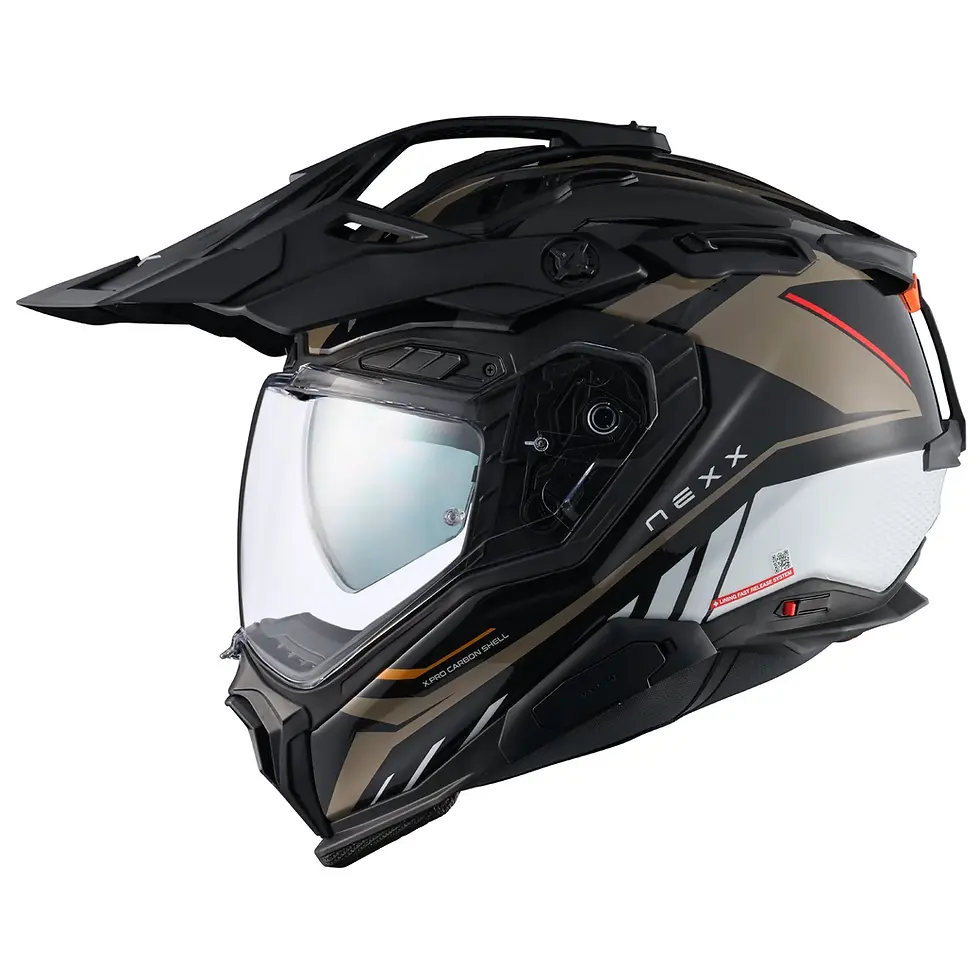
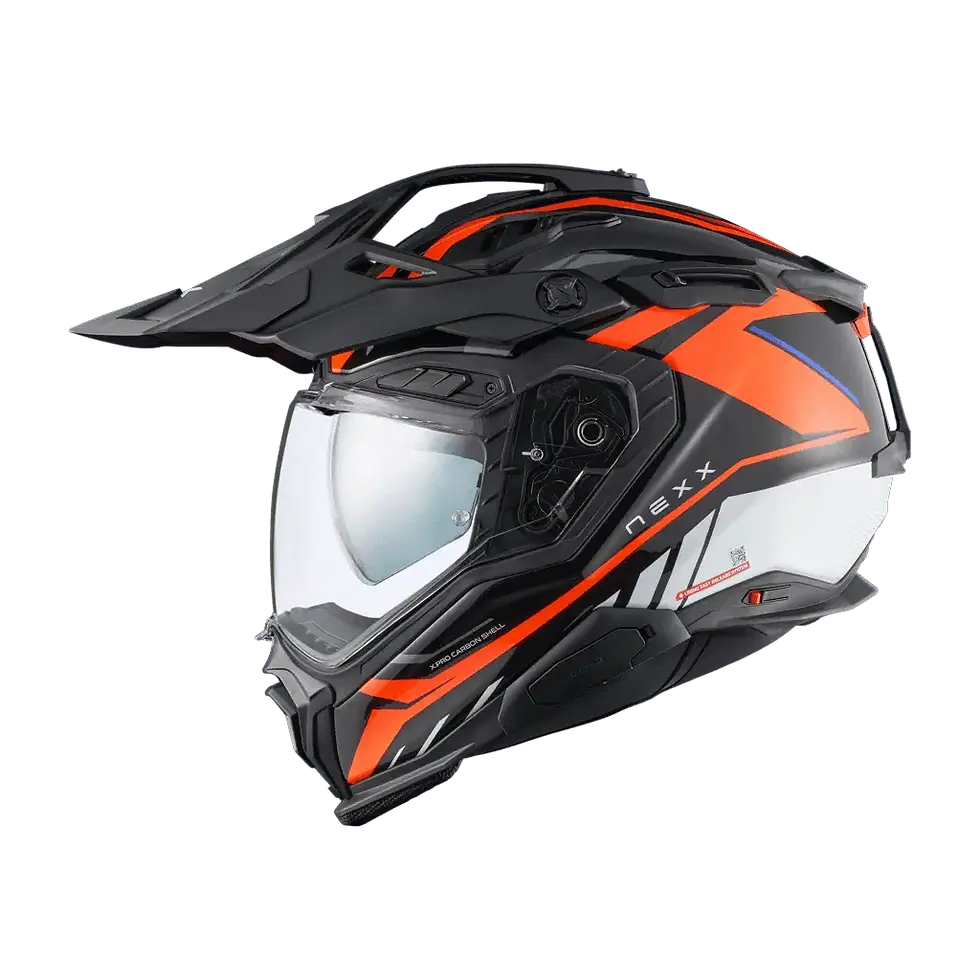
Adventure helmets occupy the middle ground between street and motocross helmets. They include a visor peak for sun protection while retaining a full face shield for highway travel.
A premium ADV helmet should deliver:
Low weight
Excellent airflow
Stable aerodynamics
Wide field of vision
Comfortable interior
Emergency cheek pad removal
Communication system compatibility
Premium safety certifications
The goal isn't simply maximum protection—it's reducing rider fatigue while increasing comfort during long-distance adventures.
Lifestyle Image: Rider overlooking a mountain pass during sunrise.
Carbon vs Composite Helmet Shells
Helmet shell construction has one of the biggest impacts on comfort and long-term durability.
Carbon Fiber
Carbon fiber helmets are lighter, stronger, and reduce neck fatigue during extended rides. They also resist flex while maintaining excellent impact performance.
Advantages:
Extremely lightweight
Premium finish
Reduced fatigue
Excellent strength
Ideal for:
Long-distance touring
Backcountry Discovery Routes
Multi-day adventures
Fiberglass Composite
Composite shells balance affordability with excellent protection.
Advantages:
Lower cost
Durable construction
Slightly heavier
Excellent value
For riders who regularly spend all day in the saddle, carbon is often worth the investment.
Weight Matters More Than You Think
Most riders focus on impact ratings, but helmet weight becomes noticeable after several hours.
Even a difference of a few hundred grams can reduce neck strain, shoulder fatigue, and overall rider exhaustion.
This becomes especially important during:
Backcountry Discovery Routes (BDRs)
Multi-state ADV trips
Off-road technical riding
Standing on the pegs
Lighter helmets allow riders to stay comfortable longer, making every mile more enjoyable.
Ventilation for Every Climate
Adventure riding means changing environments throughout the day.
Morning:
Cold mountain air.
Afternoon:
High desert heat.
Evening:
Rain and humidity.
A quality ADV helmet should feature:
Adjustable chin vents
Large top intake vents
Rear exhaust ports
Efficient internal airflow channels
Breathable moisture-wicking liner
Proper ventilation helps prevent visor fogging while keeping riders comfortable regardless of weather.
Lifestyle Image: Adventure rider crossing a dusty desert trail.
Highway Comfort
Many adventure rides include hours of interstate travel before reaching dirt roads.
Highway comfort depends on:
Stable aerodynamics
Low wind buffeting
Comfortable liner
Effective sealing around the visor
Smooth airflow around the peak
Premium adventure helmets are designed to minimize turbulence, even at highway speeds with larger ADV motorcycles.
The result is a quieter ride and significantly less fatigue.
Off-Road Performance
Once the pavement ends, helmet priorities change.
Off-road riding requires:
Maximum visibility
Excellent airflow
Lightweight construction
Compatibility with goggles
Freedom of movement
Adventure helmets bridge the gap by allowing riders to comfortably tackle gravel roads, forest service roads, and technical terrain without switching helmets.
Peak Stability
One feature unique to ADV helmets is the visor peak.
It blocks:
Low-angle sunlight
Roost from other riders
Rain
Tree branches
Poorly designed peaks create drag and vibration.
Premium helmets carefully shape the peak to maintain stability even at interstate speeds.
This aerodynamic refinement dramatically improves comfort during long-distance rides.
Lifestyle Image: ADV rider navigating a forest trail with dust behind the bike.
Noise Levels
Adventure helmets generally produce more wind noise than dedicated street helmets because of their larger peaks and ventilation systems.
However, premium designs significantly reduce turbulence.
Features that help lower noise include:
Better neck roll sealing
Aerodynamic shell design
Stable visor mechanisms
Improved peak airflow
Regardless of helmet choice, quality earplugs remain one of the best upgrades for rider comfort and hearing protection.
Communication Systems
Most adventure riders travel with navigation, music, or group communication.
Look for helmets that include:
Integrated speaker pockets
Hidden cable routing
Microphone mounting space
Compatibility with Cardo and Sena systems
Integrated communication support creates a cleaner installation while reducing wind noise and improving overall usability.
BDR Considerations
Backcountry Discovery Routes place unique demands on equipment.
A BDR-ready helmet should offer:
Lightweight shell
Excellent ventilation
Hydration compatibility
Wide eye port for goggles
Durable visor
Long-distance comfort
Many riders spend eight to ten hours per day wearing the same helmet. Small comfort improvements become significant over multiple riding days.
Choosing the right helmet can make a challenging expedition considerably more enjoyable.
Safety Certifications
Every helmet should meet recognized safety standards.
Look for certifications such as:
DOT
ECE 22.06
Snell (where applicable)
Modern ECE 22.06 testing includes more comprehensive impact scenarios than previous standards, making it one of the most respected certifications available today.
Regardless of certification, proper fit remains the single most important factor in helmet protection.
Lifestyle Image: Adventure rider descending a rocky mountain trail.
Buying Advice
When comparing adventure helmets, prioritize fit before features.
A premium helmet that fits poorly will never perform as intended.
Consider:
Head shape
Weight
Ventilation
Riding style
Noise tolerance
Communication compatibility
Budget
Weekend explorers may prioritize versatility, while long-distance ADV riders often benefit from investing in lightweight carbon fiber helmets that reduce fatigue over thousands of miles.
Final Recommendations
The best adventure helmet isn't necessarily the most expensive—it's the one that matches your riding style.
If you regularly tackle Backcountry Discovery Routes, multi-state expeditions, or extended off-road adventures, investing in a lightweight premium helmet pays dividends in comfort, reduced fatigue, and long-term enjoyment.
Whether you're exploring remote gravel roads, crossing mountain passes, or commuting during the week, a quality adventure helmet becomes one of the most important pieces of riding gear you'll ever own.
Choose a helmet that fits properly, meets modern safety standards, supports your communication system, and keeps you comfortable from the first mile to the last. Your next adventure deserves nothing less.








Comments